Your Homeowners Policy Won't Pay for Flood in Houston. Here's the 30-Day Trap.
Rain comes through your roof and your homeowners policy pays. Rain that rises up from the street and it doesn't. Here's the line, and the waiting period that catches people off guard.
September 2, 2026 · 4 min read
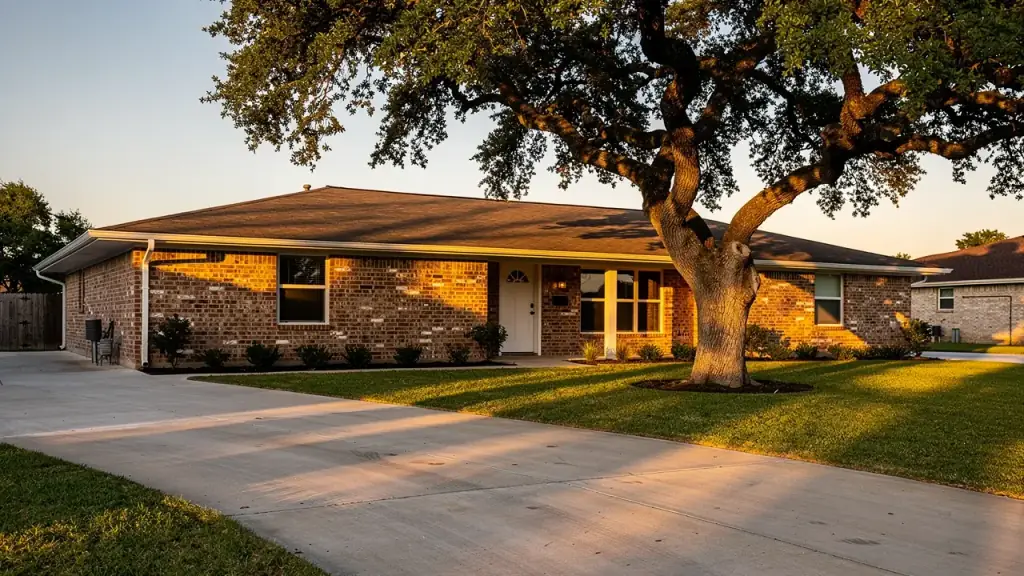
Water damage in a house sounds like one thing. In an insurance policy, it's two completely different categories, and the line between them decides whether you get paid. If a pipe bursts under your sink, or a storm rips shingles off your roof and rain gets into the attic, that's typically covered by a standard homeowners policy. If water rises from the street, a bayou, or a storm surge and comes in through your doors, that's flood, and flood is excluded from every standard homeowners policy sold in Texas. Not a lower payout. Excluded. Zero.
Houston sits low, flat, and close to a lot of water, which is exactly why this distinction matters more here than almost anywhere else in the state. A neighborhood doesn't need to be near a named bayou to flood. Slow, heavy rain that overwhelms street drainage can put water in a house that's never flooded before, and the homeowners policy sitting in that filing cabinet won't respond to it at all.
The 30-day wait, and why it exists
Flood coverage is its own separate policy, and you can get it two ways: through the National Flood Insurance Program, or through a private flood carrier. We write both, and which one fits depends on your address, your home's elevation, and what your mortgage lender requires, if you have one. What both have in common is a waiting period, typically around 30 days before the policy actually takes effect.
That waiting period is the whole reason to think about this now instead of during hurricane season. You cannot watch a tropical system spin up in the Gulf and buy flood coverage the day before it makes landfall. By the time the forecast gets your attention, it's too late for a new policy to help you. The homeowners who are protected are the ones who bought flood coverage on a calm, boring Tuesday months earlier, not the ones who tried to buy it during the scramble.
Whether you actually need it depends heavily on your exact address. Some areas along the coast fall under windstorm rules that require a separate TWIA policy on top of everything else. Inland Harris County properties usually don't need that, but can still add a windstorm endorsement to their homeowners policy, and flood risk is assessed separately again from either of those. Three different exposures, three different answers, all tied to where your house actually sits.
- A burst pipe or wind-driven rain through a damaged roof: typically covered by standard homeowners
- Water rising from the street, a bayou, or storm surge: excluded from standard homeowners, needs a separate flood policy
- New flood policies generally take about 30 days to take effect, so buying one during a storm watch is usually too late
There's a related gap worth mentioning if you rent rather than own: a landlord's policy covers the building itself, not your belongings inside it and not your personal liability. If you're renting in a flood-prone part of Houston, that's two separate conversations, a renters policy for your things and a flood conversation for the building's exposure, not one policy that quietly does both.
A lot of homeowners assume flood risk is something they'd already know about, that it only applies to a handful of obviously low-lying blocks near a bayou. That's not how Houston flooding actually works. Drainage capacity, how a street was graded decades ago, and how fast nearby development changed runoff patterns all factor in, and none of that shows up just by looking at a house. Two homes a few streets apart can carry very different flood risk even though neither one looks like it sits in a floodplain. That's exactly why pulling the actual flood zone for an address, rather than guessing from how the neighborhood feels, is worth the five minutes it takes.
If you already carry a mortgage, there's a decent chance your lender has an opinion here too. Some loans require flood coverage outright if the property falls in a mapped high-risk zone, and finding that out after closing, mid-hurricane-season, is a worse time to deal with it than during the purchase itself. Either way, the fix is the same: know the zone, know the 30-day clock, and buy on a calm week instead of a stormy one.
None of this is meant to scare you into buying something you don't need. Plenty of Houston addresses carry real flood risk and plenty carry very little, and the honest answer depends on where your specific house sits, not on the general reputation of the city. We can pull the flood zone for your address, show you NFIP and private options side by side, and let you decide with real numbers instead of a guess made under storm-watch pressure. Visit our property coverage page for the fuller picture, or get a quote to see what it looks like for your address specifically. If you'd rather talk it through first, contact us and we'll walk you through it.
Elite Auto Insurance — (713) 644-8000
Call (713) 644-8000More articles
What Texas 30/60/25 Actually Pays For (And Why It's Usually Not Enough)
Three numbers show up on every Texas auto policy. Almost nobody knows what they actually buy until a claim tests them.
What a Broker Actually Wants to See Before They'll Tender You a Load
You can have your authority, your truck, and a clean record, and still get turned down for a load over what's sitting in your insurance file.